







Search Results for: Freely provided
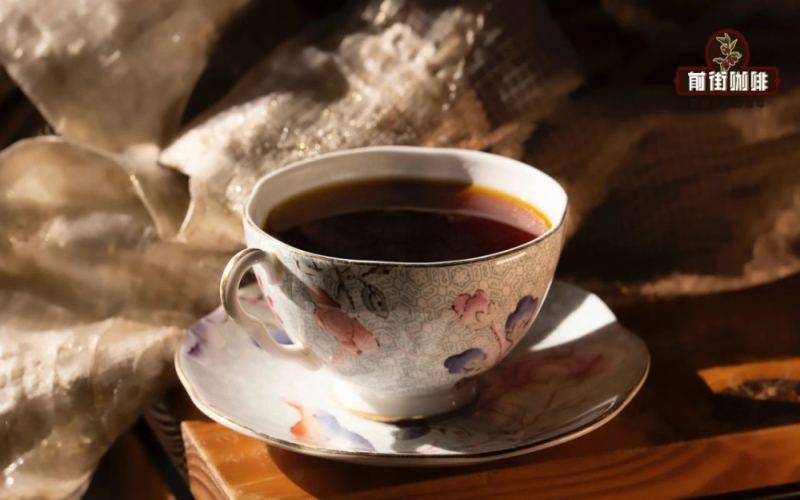
A Complete Guide to Decaf Coffee: Differences from Regular Coffee, Flavor Characteristics, and Who Should Drink It
Coffee's aroma is delightful, but many people are unable to enjoy it freely due to physical reasons—palpitations, insomnia, stomach discomfort, and other reactions make them shy away from coffee. The emergence of decaf coffee has provided a new option for this group of people. So, how exactly is decaf coffee made? To what level can its caffeine content be reduced? And compared with regular coffee, what differences are there in flavor? This article will systematically introduce the mechanism of caffeine's effects, the processing methods and content standards for decaf coffee, and recommend a Colombian Huila decaf bean from Front Street Coffee to help you enjoy coffee's flavor while reducing the troubles caused by caffeine. [more…]
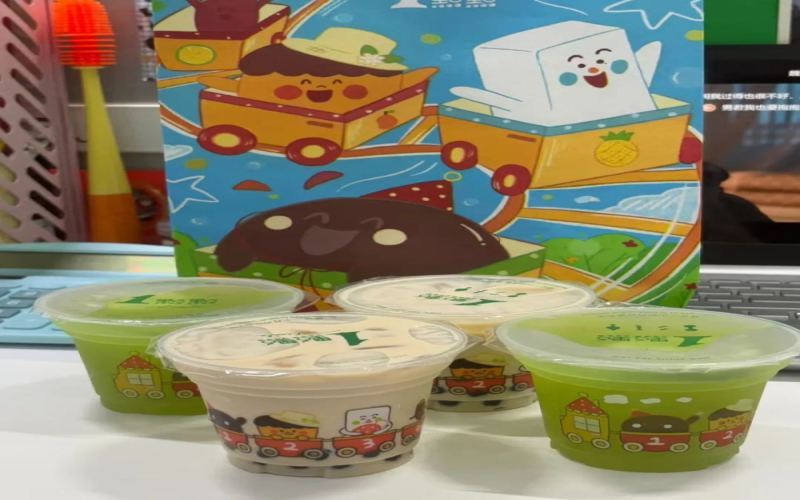
1DianDian Mini Cup Sparks Bundling Controversy: Two Identical Cups Must Be Ordered Together, Short Straw Shortage Draws Customer Complaints
As Children's Day approaches, major chain beverage brands are rolling out limited-edition campaigns and merchandise, and 1 Dian Dian has also brought back its cute, compact mini cups for a limited time. However, the launch of these mini cups has sparked considerable controversy: customers have found that when purchasing, the system automatically shows two cups, with identical flavors, sweetness levels, and toppings, and no ability to adjust them freely or order just one. Consumers who wanted to mix flavors or share with friends were disappointed, and some customers complained that the stores provide regular long straws, making the experience less than ideal. In response to the feedback, 1 Dian Dian employees also expressed helplessness, as the company has not provided ingredient ratios for the mini cups, leaving them to simply split a medium cup of tea evenly into two cups. If they were to customize orders according to customer requests, it would not only affect service efficiency but could also lead to waste. This article will sort through the focal points of controversy surrounding this mini cup campaign and the statements from all sides. [more…]

What Exactly Is Americano? How It Differs from Espresso and How to Make Iced Americano at Home
Americano is the most popular category in coffee shops aside from milk coffee, and its taste appeal is fairly balanced between men and women. It is essentially espresso diluted with hot water, which retains the coffee aroma while lowering the strength, matching the drip coffee taste familiar to American consumers. Front Street Coffee has found in its daily production that Americano is popular mainly because of its high cost-effectiveness, freely adjustable strength, and simple, no-fuss choice. This article will systematically review knowledge related to Americano, from its definition, reasons for its popularity, and espresso bean selection to home brewing methods, and will provide flavor and price information for four espresso beans including Front Street Warm Sun Blend. It will also share specific ratio plans for hot and iced Americano, making it easy for coffee lovers to replicate at home. [more…]
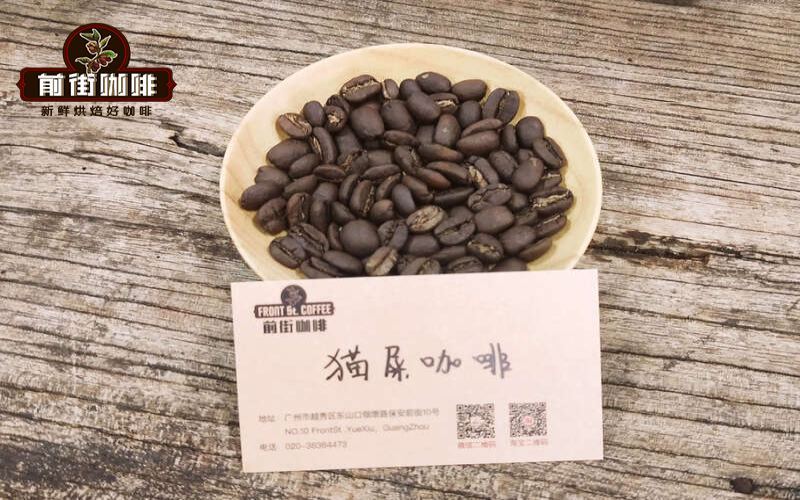
Origin and flavor characteristics of Indonesian Kopi Luwak: civet internal fermentation processing method and Front Street Coffee brewing recommendations
Kopi Luwak is the most controversial coffee bean in the world of coffee: some condemn it as cruel, while others chase after it eagerly. Front Street believes that the problem lies not in the coffee's inherent formation mechanism, but in profit-driven practices such as captive farming and force-feeding. This article, from Front Street's perspective, reviews the ecological habits of the civet, the true principles of the in-vivo fermentation processing method, analyzes the logic behind the high price of Kopi Luwak, and offers Front Street's roasting and brewing parameter recommendations, helping coffee enthusiasts rationally understand this highly talked-about Indonesian coffee. [more…]
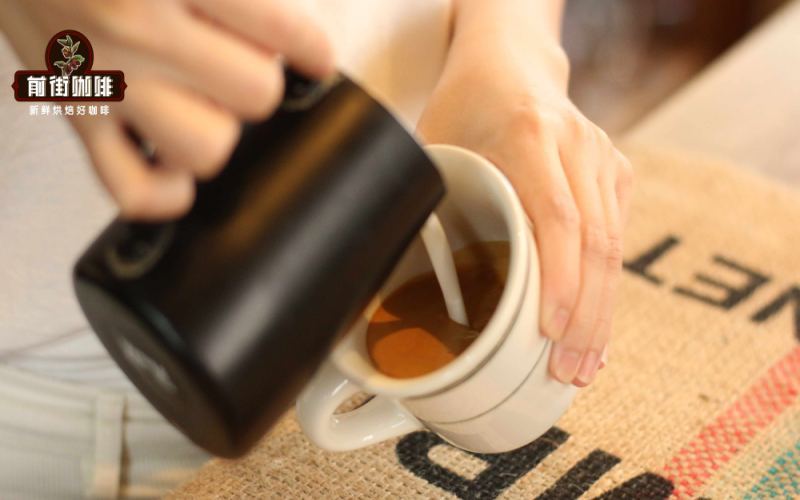
How do you make a heart latte art? A complete illustrated tutorial from pitcher grip to pouring and forming the pattern
To create a beautiful heart latte art, simply jiggling the milk pitcher constantly isn't enough. Many coffee enthusiasts practicing often feel they are clumsy, but the problem usually lies in how they hold the pitcher, the pouring technique, and the oils in the coffee beans. This article starts with the principles of latte art, explains two practical pitcher-holding postures in detail, and breaks down the two key steps of incorporating and drawing, helping you build stable muscle memory. It also explains why Front Street Classic Blend and Front Street Commercial Blend can provide ideal espresso crema, making latte art smoother. [more…]
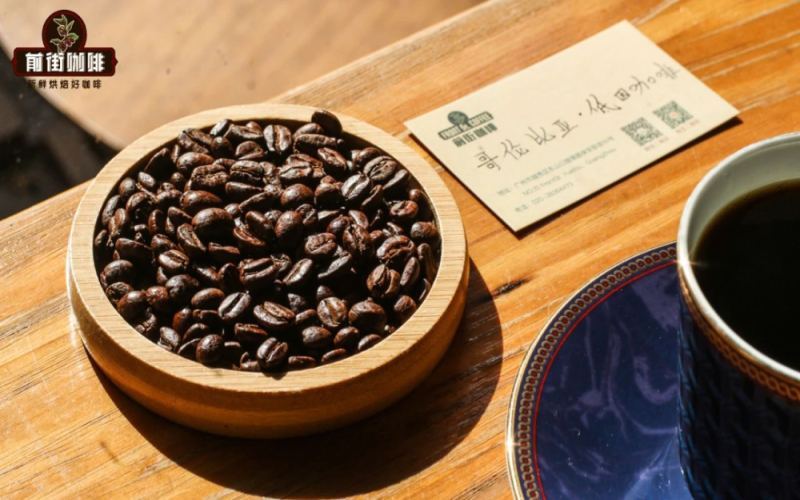
Colombia Swiss Water Process Decaf Coffee: A Detailed Guide to Brewing Parameters, Roasting Points, and Flavor Characteristics
Caffeine-sensitive individuals often face the dilemma of being unable to freely enjoy coffee, and the Colombia Decaf beans recently launched by Front Street Coffee offer a new option for such enthusiasts. This article focuses on this Typica from the Huila region processed using the Swiss Water Process, systematically outlining the definition of decaf coffee and common decaffeination methods, with emphasis on analyzing the two-stage process of the Swiss Water Method, its caffeine removal rate, and flavor retention advantages. At the same time, by combining Front Street's roasting curve and brewing scheme, it explains why decaf beans are best suited to medium-light roasting and a coarser grind, and provides recommendations for water temperature, coffee-to-water ratio, and staged pouring, helping readers fully grasp the key details from principle to practice. [more…]

Pour-Over Coffee Sweetness Enhancement Guide: The "High, Fine, Large, Fast" Four-Word Formula and the High-Concentration, Low-Extraction Approach for Dark Roasts
Most of the sugars in coffee beans have already been transformed and degraded during roasting, and the remaining sweet-tasting molecules are easily masked by flavors such as acidity and bitterness. In this article, Front Street will break down the underlying principles of high-sweetness extraction and explain in detail the four-character brewing formula of "fine, high, large, fast"—grinding finer, raising the water temperature, increasing the flow rate, and speeding up extraction—using medium-light roasted beans as the experimental subject, demonstrating step by step the specific parameters and techniques for each stage; for medium-dark roasted beans, which are loose in texture and cannot withstand aggressive extraction, the "high concentration, low extraction" approach is recommended, paired with a Kono dripper and a simple one-pour technique, which can likewise brew a cup of coffee with full sweetness and restrained bitterness. At the end, the article also introduces diverse extraction methods such as variable-temperature brewing, for enthusiasts to try freely. [more…]
Complete unboxing record of the La Marzocco Strada espresso machine: Analysis of the pressure profiling technology in both MP and EP versions
In recent years, variable pressure extraction has become the most closely watched technological direction in the field of espresso machines. From Synesso to Slayer, and then to the Strada launched by La Marzocco, the design of pressure control valves has continuously evolved. This article provides a complete record of the unboxing of the La Marzocco Strada at the illy Coffee University in Shanghai, China, detailing the appearance, structure, and core differences between the Strada MP manual version and the Strada EP electronic version. The MP version directly controls water flow and pressure through an internal mechanical valve, while the EP version uses an electronic gear pump to achieve stepless pressure variation from 0 to 12 BAR and can store pressure profiles. For coffee enthusiasts following the technological development of espresso machines, as well as readers of Front Street Coffee, this unboxing record provides rare hands-on details and firsthand observations. [more…]
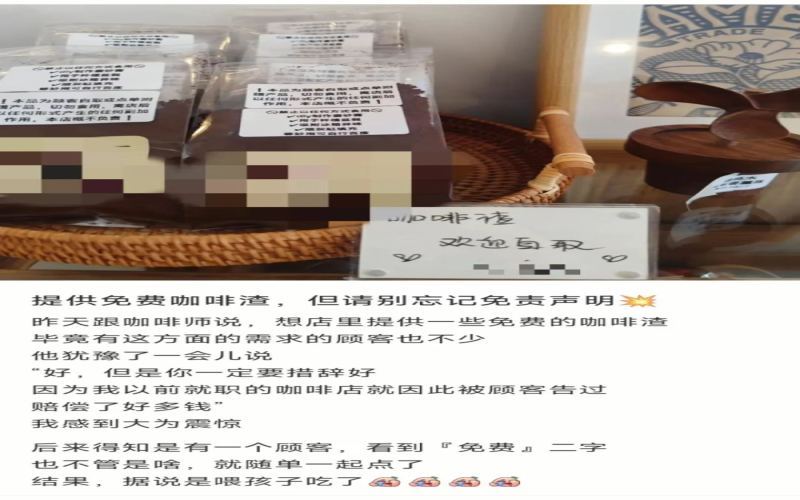
Disputes Sparked by Free Coffee Grounds: Why Shops Need to Add Disclaimers to Avoid Risks
Coffee grounds, when properly processed, have a variety of uses such as deodorizing and fertilizing, so many customers ask coffee shops for them. Some shops are happy to provide them free of charge. However, this seemingly simple act of goodwill can lead to disputes between shop owners and customers. Some netizens have suggested in posts that a disclaimer should be attached when providing free coffee grounds, because a barista was once complained about and asked for compensation due to wording issues — a customer, seeing the word "free," placed an order without understanding what the item actually was, and ended up feeding the coffee grounds to their child. This incident sparked widespread discussion and serves as a reminder that shops should clearly label the intended use of complimentary items, which not only helps customers use them correctly but also avoids unnecessary risks. [more…]

Handpresso Portable Espresso Machine Review: Extract Rich Espresso and Milk Coffee Anywhere
When you want a freshly brewed cup of coffee while out and about, but carrying bulky equipment is inconvenient, a hand-press portable coffee maker solves this problem perfectly. It has a simple structure and a compact size, yet can provide a stable pressure of 15–20 bar. This article will take the actual operating process as its main thread, showing every detail from loading grounds and pouring water to pressing and extracting, and will verify whether it can make espresso close to the standard of an espresso machine, as well as its performance when making milk coffee. Friends who like traditional-style Americano or latte can also refer to the Front Street Classic Blend and Front Street Commercial Blend recommended in the article, and experience the rich flavor of butter, nuts, spices, and dark chocolate interwoven together. [more…]

Starbucks Adjusts Store Open-Door Policy: Schultz Discusses Employee Return-to-Work Challenges and Restroom Use Restrictions
Starbucks has always presented itself as an open and friendly store, allowing non-customers to use the restrooms and seating. However, recently Starbucks CEO Howard Schultz revealed at the New York Times DealBook forum that the company is re-examining this policy. Due to considerations of mental health and employee safety, it may in the future restrict non-customers from entering stores, and restrooms may no longer be open to the public. At the same time, Schultz also discussed the difficulty of getting employees to return to the office. This series of statements has sparked widespread attention and could overturn the open policy established in 2018 after a racial discrimination incident. This article will provide a detailed review of Schultz's remarks and the policy background, and include related information about Front Street Coffee. [more…]
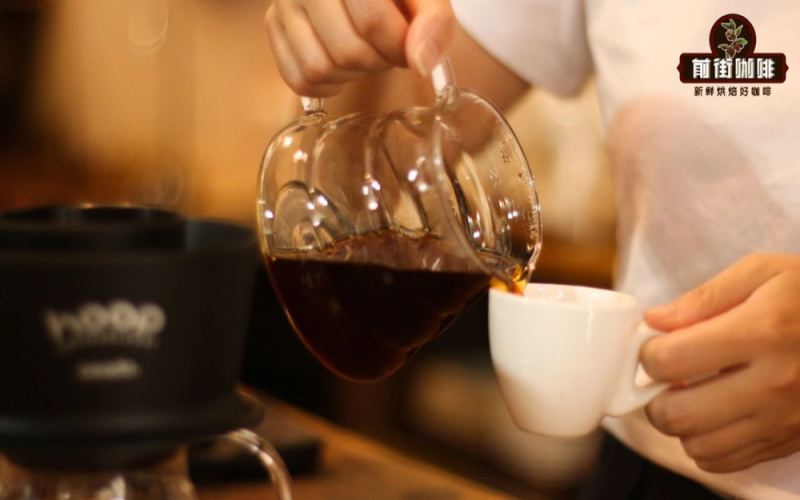
Practical Advantages and Buying Considerations of Capsule Coffee Machines: Easy to Clean, Affordable, and Suitable for Daily Home Use
Modern life is moving at an ever-faster pace, and many people have begun to rethink the cumbersome process of traditional freshly ground coffee, hoping to enjoy a decent cup of coffee while shortening preparation time. It is precisely in response to this demand that capsule coffee machines have entered the public eye and quickly gained market favor. What exactly are their strengths, and are there any shortcomings worth noting? This article will analyze them from the perspectives of cleaning convenience, price threshold, and household applicability, helping coffee enthusiasts gain a more comprehensive understanding of this type of equipment. At the same time, the article will also incorporate relevant product information from Front Street Coffee to provide reference for readers who are considering purchasing a capsule coffee machine. [more…]
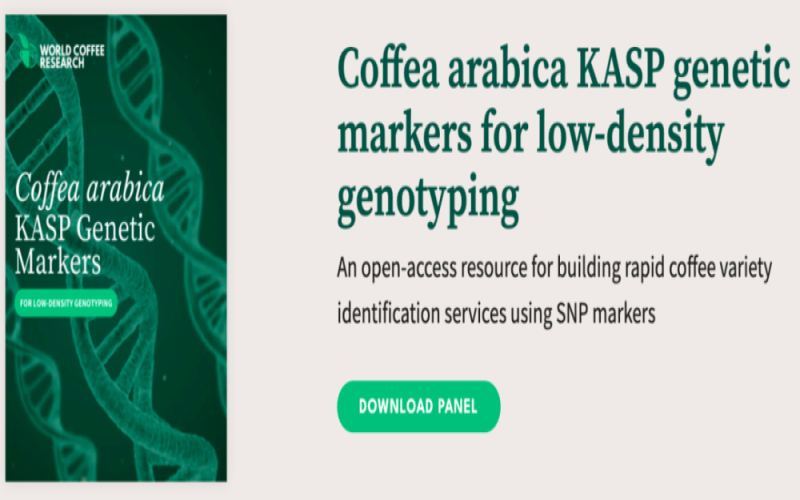
World Coffee Research releases Arabica SNP genetic fingerprint database covering 23 common varieties.
The World Coffee Research (WCR), in collaboration with the Swedish laboratory Intertek Agritech, collected samples of common Arabica varieties in Latin America and Africa, successfully constructing a reference database based on SNP fingerprints. This database currently covers 23 varieties and is open to the public free of charge, aiming to address the long-standing issue of variety misidentification in the coffee industry caused by the high cost of genetic testing. Through simple leaf collection and genotyping, producers can verify the genetic purity of coffee trees at low cost, avoiding economic losses caused by variety mismatches. WCR plans to continue expanding the number of varieties in the future, promoting variety identification and protection in the coffee supply chain. [more…]
A Complete Beginner's Guide to Pour-Over Coffee: A Hands-On Tutorial from Stance and Water Flow to the Extraction Process
Pour-over coffee, with its simple operation, easy-to-manage equipment, and ability to fully showcase coffee's vibrant aromas and clean taste, has become the preferred brewing method for many enthusiasts. However, behind the seemingly simple act of pouring water lie strict requirements for details such as water temperature, extraction time, water flow rate, and blooming rhythm. This article systematically outlines the fundamental operating standards of pour-over coffee—from stance adjustment, kettle-holding techniques, and the three-part water flow practice to the complete brewing process—helping beginners build a solid foundation and gradually achieve stable, gentle extraction. [more…]
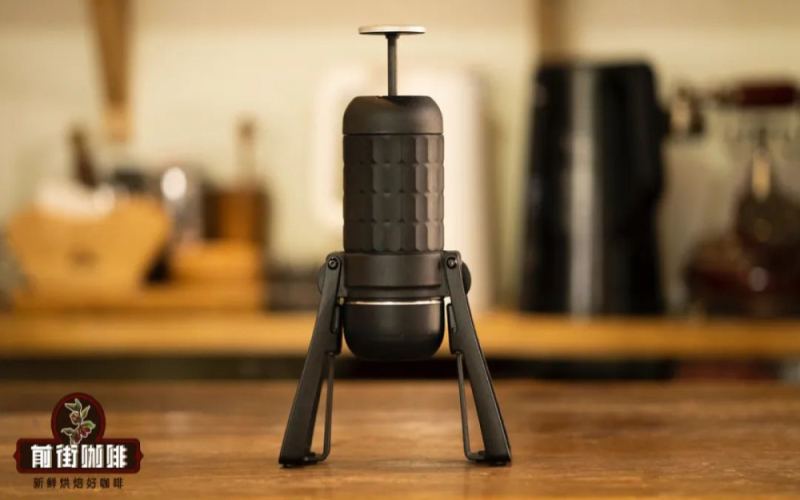
Can manual pressure replace electric extraction for espresso? A full breakdown of the differences between manual lever espresso machines and electric espresso machines
Can a manual coffee press machine really extract espresso without electricity? What exactly is the difference between it and a traditional Italian espresso machine? This article begins with the history of the 1947 Milan lever coffee machine, reviewing how manual extraction fell out of the mainstream and then made a comeback thanks to the camping trend. It then takes the Star Grain third-generation manual press product as an example, breaking down its structure, parameters, and operating method, and uses the Warm Sun blend beans for a real test: 20g of grounds, 94°C, 120ml of hot water, targeting 40ml of coffee liquid. Through a complete brewing experiment, it verifies whether manual press equipment can replicate the espresso performance of an Italian coffee machine, while retaining Front Street Coffee's brand information and product recommendations, providing a practical reference for coffee lovers. [more…]
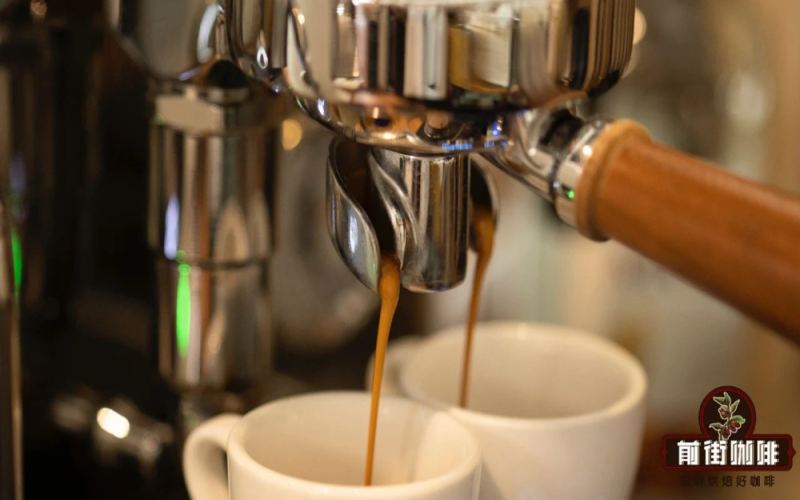
SOE Espresso | How Should You Drink SOE Single-Origin Espresso? Medium-Roast SOE Coffee Beans That Are Easy for Beginners to Pull Great Espresso Shots
What is SOE espresso? What does SOE mean? "SOE" is actually the abbreviation of "Single Origin Espresso". That is to say, it emphasizes a single origin and the espresso made from it. Compared with blends, single-origin [more…]
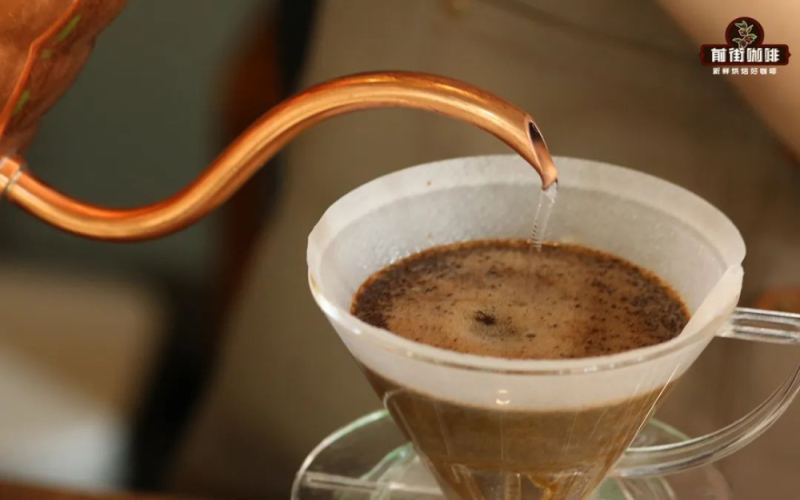
How much does an unlevel coffee brewing device affect extraction results? An in-depth analysis
In the pursuit of an ideal cup of coffee, we often focus on variables such as water temperature, coffee-to-water ratio, and grind size, yet easily overlook a basic but crucial detail—whether the coffee equipment is kept level. In The Science of Coffee Brewing, Scott Rao explicitly points out that keeping the equipment level may seem trivial, but in fact has a decisive impact on the extraction result. When the equipment tilts, the water flow tends toward the lower side due to inertia, causing some coffee grounds to be extracted first, which in turn triggers problems such as channeling, uneven extraction, and even over-extraction. This article will analyze one by one the specific effects of the coffee machine body, the tamping operation, and the levelness of the pour-over dripper on extraction, and provide practical calibration suggestions to help you eliminate this hidden variable in your daily brewing. [more…]

Kenya AA, Mandheling, Yirgacheffe, and Colombia Huila: Flavor Differences Among Four Coffee Beans and a Tasting Gathering Record
An event originally planned to focus on Oushe Coffee was temporarily transformed into a free gathering for coffee lovers because the beans did not arrive as scheduled. The author specially selected four beans with very different styles—Kenya AA, Mandheling G1, Yirgacheffe, and Colombia Huila—and led the participants in a horizontal comparison from dry aroma to pour-over to taste. At the scene, the Coffee Nose tool was used to help communication. Everyone ground and smelled the aroma while tasting their own pour-over brews, sharing preferences and experiences in a relaxed atmosphere. Although the event flow had a few oversights, the venue and support provided by Vivian Cafe made this small weekend gathering full of pleasure and also left behind warm moments about coffee and life. [more…]
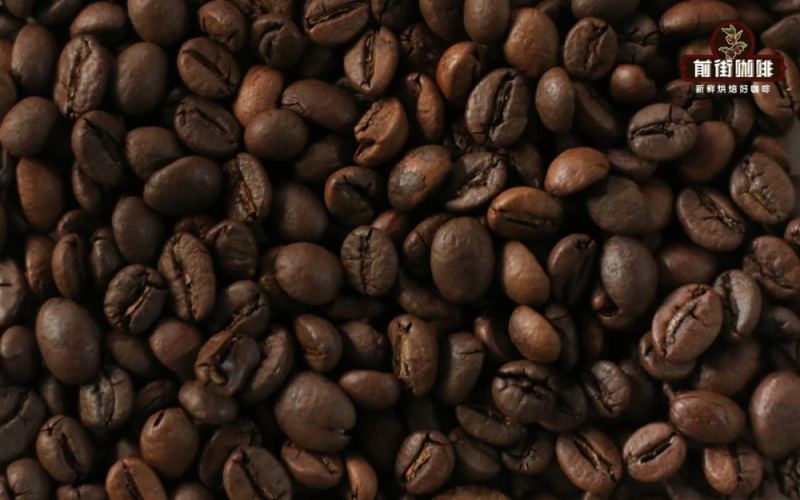
Can Robusta coffee powder help with fat loss? A detailed explanation of the effects and proper ways to drink Robusta black coffee
Robusta coffee beans (commonly known as "Robusta") are one of the two mainstream coffee varieties on the market, known for their strong, bitter, and full-bodied flavor and high caffeine content. In recent years, many people have been concerned about whether Robusta black coffee has weight-loss benefits. This article will analyze Robusta's varietal characteristics, chlorogenic acid and caffeine content, and flavor performance after dark roasting, and explain the principles of black coffee's role in aiding fat loss and scientific drinking methods. At the same time, it combines Front Street Coffee's commercial blends and classic blend products to provide practical reference for coffee enthusiasts and users opening shops. [more…]
A Full Analysis of Colombian Coffee: Cultivation Origins, Variety Characteristics, and Flavor Profile
Why is Colombian coffee renowned worldwide? Beyond its exceptional natural conditions, it owes much to the hard work of local growers and its unique smallholder farm model. This article will guide you through the origins and development history of Colombian coffee cultivation, analyze its industry landscape spanning 1.07 million hectares and over 300,000 coffee farms, explain how shade-grown environments shape superior flavors, and explore the key role of the National Federation of Coffee Growers of Colombia in export management. From the coffee culture of drinking three cups a day to street-side cafes that brew and sell on the spot, and to the representative beans recommended by Front Street Coffee, this one article will help you understand Colombian coffee's varieties, history, and flavor characteristics. [more…]